The National Education Policy (NEP) 2020 is the first comprehensive education reform in over three decades since the 1986 policy. Crafted under the chairmanship of Dr K. Kasturirangan, this visionary document aims to transform India into a vibrant knowledge superpower by making education more holistic, flexible, multidisciplinary, equitable, and deeply rooted in the Indian ethos while aligning with 21st-century global needs.
As we stand in 2026 — with many states rolling out the 5+3+3+4 structure and significant progress in foundational literacy, digital integration, and multidisciplinary higher education — it’s the perfect moment to revisit what NEP 2020 truly promises and how it’s reshaping learning across the country.
1. A New School Structure: Moving Beyond 10+2
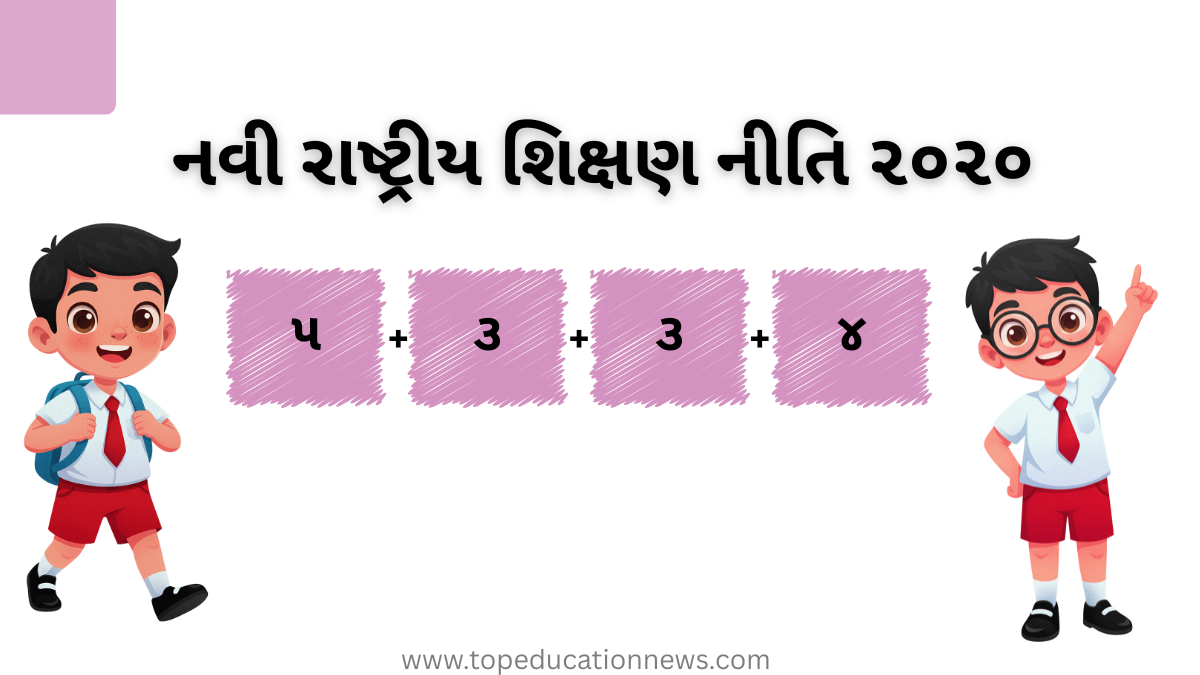
The most visible change is the replacement of the rigid 10+2 system with a more scientific and child-centred 5+3+3+4 curricular and pedagogical structure:
- Foundational Stage (5 years): Ages 3–8 (3 years of pre-school/Anganwadi + Grades 1–2) Emphasis on play-based, activity-based learning
- Preparatory Stage (3 years): Grades 3–5 Building on foundational literacy & numeracy
- Middle Stage (3 years): Grades 6–8 Experiential & multidisciplinary learning
- Secondary Stage (4 years): Grades 9–12 Greater flexibility in subject choice, vocational exposure, and multiple exit options
This structure recognises that early childhood (3–8 years) is critical for brain development and integrates Early Childhood Care and Education (ECCE) into the formal system for the first time, a massive step toward universal foundational learning.
2. Foundational Literacy & Numeracy – The National Priority
NEP set an ambitious target: achieve universal foundational literacy and numeracy by 2025. Through the NIPUN Bharat mission, states have launched massive teacher training programs, created learning resources, and introduced tracking mechanisms. While challenges remain in rural and disadvantaged areas, the national push has shown promising early results in many regions.
3. Multilingualism & Mother Tongue Advantage
One of the most discussed (and sometimes debated) aspects is the emphasis on mother tongue/local language/regional language as the medium of instruction at least till Grade 5, preferably till Grade 8. This evidence-based recommendation (supported by global research) aims to improve conceptual understanding and reduce learning gaps. The policy retains the three-language formula with flexibility; no language is imposed, and students continue to learn English and other languages of choice.
4. Goodbye to Rote Learning, Hello to Holistic & Flexible Education
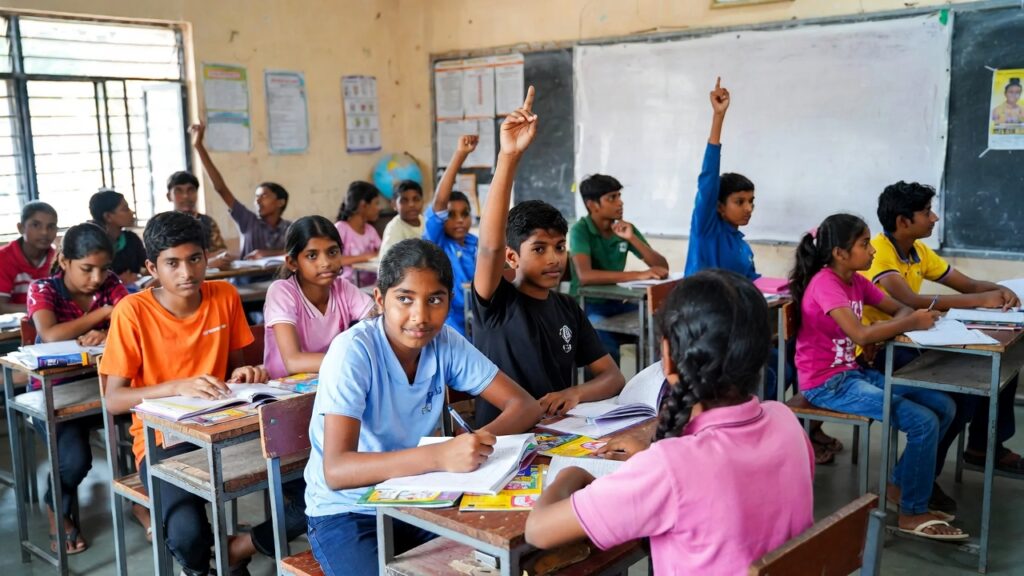
NEP 2020 strongly discourages rote memorisation and coaching culture. Instead, it promotes:
- Critical thinking, creativity, and problem-solving
- Experiential, inquiry-based, and discussion-based learning
- No hard separation between arts & sciences, curricular & extra-curricular, or vocational & academic streams
- Vocational education exposure starting from Grade 6
- Coding and computational thinking from middle school
Board exams are being redesigned to be low-stakes, with more competency-based questions, multiple attempts, and modular formats — reducing stress while testing real understanding.
5. Higher Education: Multidisciplinary & Research-Driven
Higher education reforms are equally ambitious:
- Move toward large multidisciplinary universities and institutions
- 3- or 4-year undergraduate programs with multiple exit options (certificate after 1 year, diploma after 2, degree after 3/4)
- Academic Bank of Credits for seamless mobility
- Establishment of the Higher Education Commission of India (HECI) with four independent verticals for regulation, accreditation, funding, and standards
- National Research Foundation (NRF) to boost quality research across disciplines
- Target of 50% Gross Enrolment Ratio by 2035
Many universities have already started offering flexible majors, interdisciplinary courses, and integrated vocational programs.
6. Technology & Teachers — The Twin Engines of Change
NEP envisions technology as an enabler, not a replacement:
- National Educational Technology Forum (NETF)
- Platforms like DIKSHA, SWAYAM, and virtual labs
- AI-based personalised learning and assessments

Teachers remain at the heart of the system. Key reforms include:
- Minimum 4-year integrated B.Ed. as the standard qualification
- Continuous professional development (at least 50 hours/year)
- Merit-based scholarships, better career progression, and improved working conditions
Read this: Gujarat University Online Application for a Degree Certificate Form
Progress in 2026 — Where We Stand
As of early 2026, implementation is progressing in phases across states:
- Many states have adopted the 5+3+3+4 structure, especially in the foundational and middle stages
- NIPUN Bharat and FLN missions have shown measurable gains
- Digital infrastructure has expanded dramatically post-pandemic
- Several universities have launched multidisciplinary programs and credit banks
- Vocational integration and internships are gaining momentum
Yet, challenges remain — adequate funding (still below the promised 6% of GDP), teacher shortages in some regions, infrastructure gaps, and the digital divide require sustained effort.
Final Thoughts:
A Once-in-a-Generation Opportunity NEP 2020 is not just a policy document — it’s a national commitment to reimagine education for the 21st century. It seeks to nurture well-rounded, creative, ethical, and skilled individuals who are proud of their roots while being globally competitive.
The real success, however, will depend on collaborative implementation — between the Centre, states, educators, parents, and communities. If executed well, NEP 2020 could very well become the foundation on which India builds its next phase of growth — not just economically, but as a truly knowledge-based, inclusive, and culturally vibrant society.